
⚡ Quick Answer
Yes, you can make money with Suno AI — but only music generated on a paid Pro or Premier plan, since the Free plan is non-commercial only. The realistic paths are custom song orders (Fiverr and similar platforms), stock/background music libraries, YouTube channel monetization, and streaming distribution with sync licensing. None of them are passive from day one — all four take a focused niche and consistent output before they pay anything meaningful.
Suno reportedly has around 2 million paid subscribers and roughly $300 million in annual recurring revenue as of early 2026 — a lot of people are generating a lot of music. Some of them are making real money from it. Most aren't, and the difference has almost nothing to do with the tool itself.
This guide covers the four revenue streams that are actually working right now, what you need in place before any of them are legal to monetize, a compliance requirement most guides skip entirely, and — since figures everywhere else are US-only — what this looks like if you're earning from Europe.
Can You Actually Make Money With Suno AI?
Short answer: yes, on a paid plan, with realistic — not overnight — expectations.
People who treat Suno as "the tool does the work" tend to give up within a month. People who treat it as one part of an actual small business — picking a lane, producing consistently, understanding where the demand is — are the ones with something to show for it after 90 days.
What You Need Before You Start
Two things are non-negotiable before any of this is legal to monetize:
- A paid Suno plan. The Free plan is personal/non-commercial use only — you cannot sell, distribute, or monetize anything generated on it, on any platform. Pro and Premier both grant commercial rights for music made while subscribed.
- Clarity on what "commercial rights" actually covers. It's a licence from Suno to sell and monetize your output — not a copyright registration. For Fiverr gigs, stock libraries, and YouTube, this is sufficient.

Pricing figures for Pro/Premier vary across sources as this article gets written — confirm current numbers directly on suno.com/pricing before committing.
Method 1: Custom Songs on Fiverr
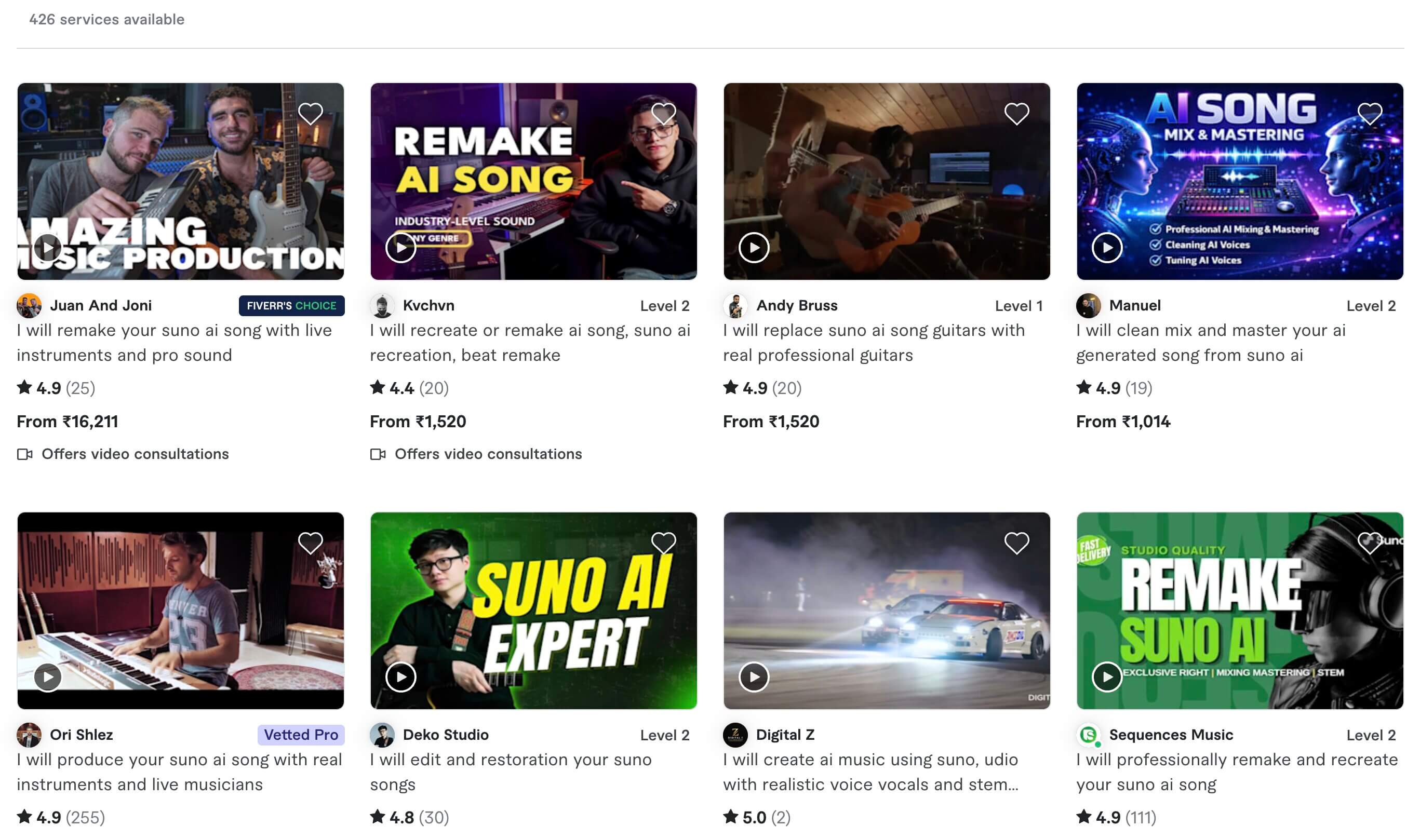
The lowest barrier to entry, and the one most beginners should start with. Buyers commission a custom song for birthdays, businesses, weddings, or personal gifts, and you deliver using Suno.
- Realistic starting price: around $25 for your first gigs, while you're building reviews.
- What it takes: a focused sample reel (5–10 tracks in a niche you can produce consistently), a properly structured gig, and fast turnaround.
Method 2: Stock Music & Background Music Libraries
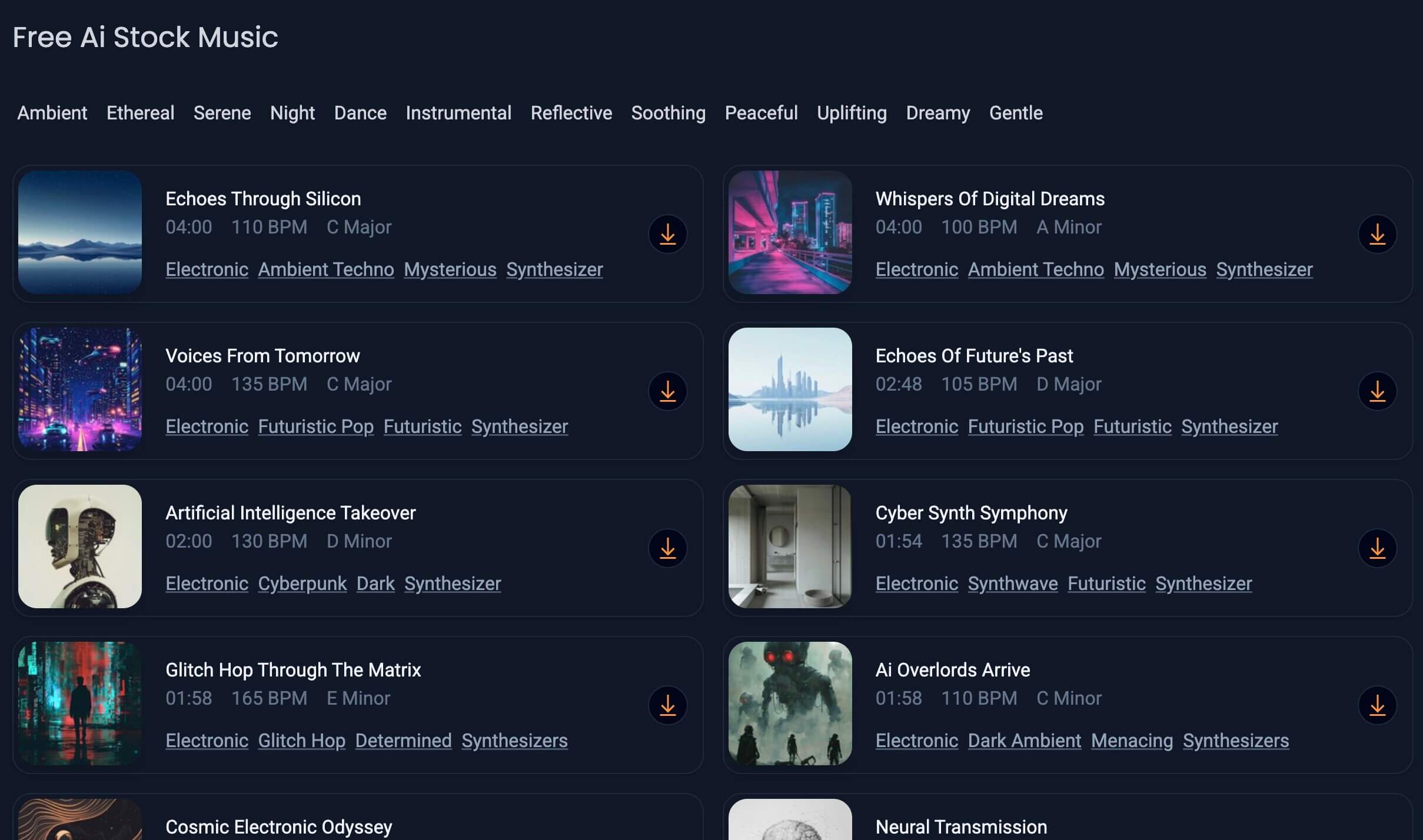
More passive than Fiverr, but slower to pay off — tracks need to be discovered, not commissioned.
- Best niches: evergreen background categories — lo-fi study music, ambient/focus, meditation and sleep — sell more consistently than trend-chasing genres.
- Where: stock/royalty-free libraries that accept AI-generated music — check each platform's current AI-content policy before uploading, since this shifts periodically.
Method 3: YouTube Channel Monetization
The most popular path among competitors researched for this guide, and genuinely one of the more realistic ones — but it's a slower build than Fiverr, not a quick win.
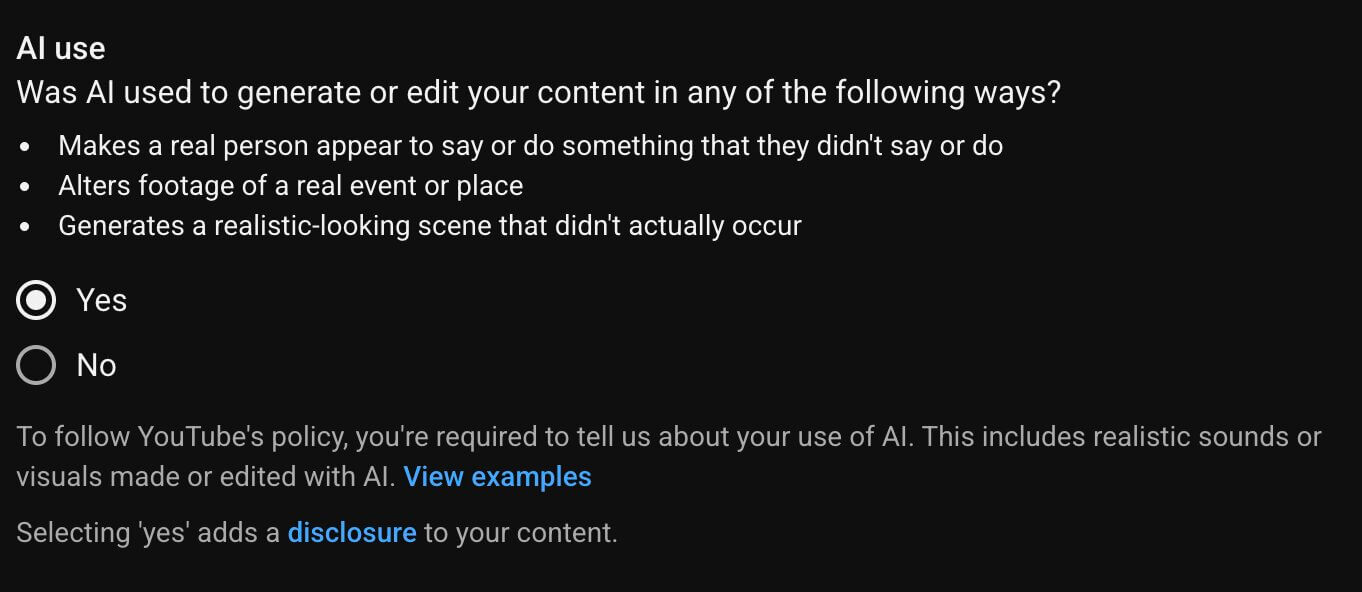
A channel dedicated to one specific niche — lo-fi study sessions, ambient focus music, themed instrumental albums — earns through YouTube's Partner Program once you cross 1,000 subscribers and 4,000 watch hours. What tends to work: full themed albums rather than single tracks, consistent visual branding, and a narrow niche rather than "AI music" in general.

Real AI Music Channels Worth Studying
Niche doesn't have to mean lo-fi. Here are five real channels using Suno and other AI music tools across very different formats — worth a look for how varied a working niche can be:
AI-assisted sound experiments with no fixed genre — an example of an experimental, exploratory approach rather than a single locked-in niche.
Animated singing-cat characters across rock, reggae, and Latin styles — original characters and human-written lyrics, AI used in the production and animation pipeline. A comedy/character-driven niche rather than pure background music.
Surreal AI short films paired with atmospheric music — a cinematic, storytelling-first approach where music supports a visual narrative.
A dark, cinematic music project built around a fictional narrative world — human-directed concept and lyrics, AI-assisted sound and visuals.
AI-generated blues music styled after classic genre legends — an example of a genre-tribute niche rather than an original character or story.
Method 4: Streaming Distribution & Sync Licensing
Less beginner-friendly than the other three, but worth knowing about once you have a catalog: distributing your Suno tracks to Spotify, Apple Music, and similar platforms via a distributor (DistroKid and similar services are the common route, typically an annual fee in the ballpark of $20–25), then separately pursuing sync licensing — placing tracks in ads, podcasts, or indie films, which can pay anywhere from roughly $100 to several thousand dollars per placement.
Earning as a Creator in Europe
Every guide covering this topic quotes figures in USD and assumes US platforms exclusively. If you're earning from the EU or UK, a few things are worth knowing that don't get mentioned elsewhere:
- Freelance/self-employment income from Fiverr, stock libraries, or ad revenue is generally taxable income in your home country, regardless of which currency it arrives in or which platform pays you.
- VAT registration thresholds vary by country and matter more once side-income becomes a consistent stream rather than occasional pocket money.
- Currency conversion is your own overhead. Platforms like Fiverr and YouTube AdSense typically pay in USD; factor conversion fees and timing into your actual take-home.
Realistic Income Timeline
Figures here are deliberately conservative — several competitor sites cite $100–300/day claims from individual creators, which are outliers, not typical outcomes.
Month 1: Setup Phase
Suno subscription, first batch of niche-focused tracks, first Fiverr gig live or first stock library submissions in review. Little to no income yet.
Month 3: Early Traction
If Fiverr is your method, a handful of completed orders and your first reviews. If stock/YouTube, early approvals or early subscriber growth, but likely still below monetization thresholds for YouTube specifically.
Month 6: Repeatable Pattern
A working method should show a repeatable pattern by now — recurring Fiverr orders, a small but real trickle from stock libraries, or (if consistent) approaching YouTube's monetization thresholds. A realistic point to judge whether to double down on one method or diversify.
Frequently Asked Questions
What to Do Next
Pick one method, commit to a niche, and give it a real 90 days before judging results.
New to Suno altogether? Start with the basics first. Want better output before you start selling anything? The prompt guide covers that.
Published: 2026-07-24 · Last updated: 2026-07-24
Join the discussion
Sign in to leave a comment or reply
No comments yet
Be the first to share your thoughts!